

Filter by category
Top rated products
Showing all 2 results
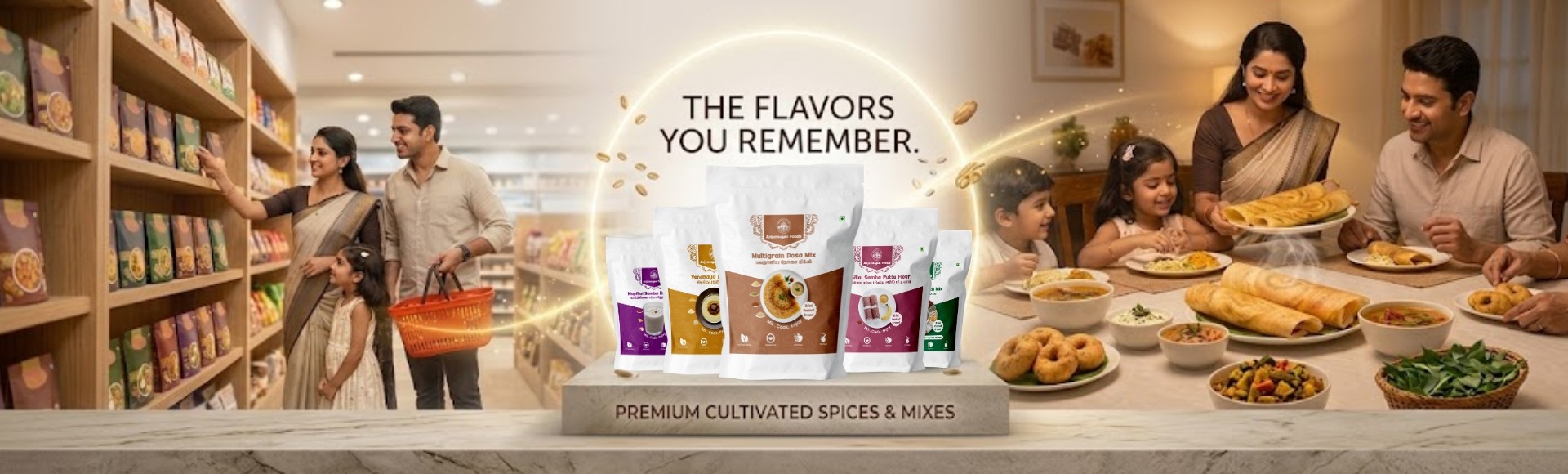
Bring Traditional Breakfast Back to Busy Mornings
Breakfast is not just the first meal of the day—it sets the tone for your energy, mood, and routine. In many Indian homes, traditional breakfasts like dosa, adai, pongal, upma, and idli were once made regularly using fresh grains, lentils, and simple spices. But modern schedules don’t always allow the soaking, grinding, and long prep time that these recipes usually require.
That’s exactly why Traditional Breakfast Mixes exist—to help you enjoy the taste and nourishment of classic home-style breakfasts with far less effort.
At Anjumugan Foods, our Traditional Breakfast Mixes are crafted for families who want convenience without compromising on authenticity, nutrition, or quality. These mixes are inspired by time-tested recipes and made using carefully chosen ingredients, prepared with hygiene-focused processes and no added preservatives.
Whether you’re planning a quick weekday breakfast, a light dinner option, or a comforting weekend meal, these mixes help you cook traditional food confidently—even when time is short.
What Are Traditional Breakfast Mixes?
Traditional breakfast mixes are ready-to-cook blends made from grains, lentils, and spices commonly used in South Indian and Indian home cooking. They reduce preparation steps like soaking, grinding, and mixing multiple ingredients from scratch. Many dishes can be prepared by simply adding water (and sometimes curd or basic tempering ingredients), resting the batter briefly, and cooking.
For example, Adai is popularly known as a mixed lentil dosa that’s filling and protein-rich, and it typically does not require fermentation—making it a great option when you want something quick yet wholesome.
Why Traditional Breakfast Mixes Make Sense Today
1) Faster Cooking, Same Comfort
Traditional dishes can be time-consuming. Breakfast mixes cut down prep time significantly while keeping the dish familiar and satisfying.
2) Consistent Results
When you’re cooking early in the morning, consistency matters. A well-prepared mix helps you get reliable taste and texture—especially for dosa-style batters.
3) Balanced and Filling
Many traditional breakfast recipes use lentils and grains together, which can feel more satisfying than purely refined options. Mixed lentil-based dishes like adai are commonly considered nutrient-dense and filling.
4) Great for Families
From kids to elders, traditional breakfasts are widely accepted at home. With mixes, you can prepare something familiar even on the busiest days.
What You’ll Find in Our Traditional Breakfast Mixes Collection
This collection is built around classic breakfast formats that Indian kitchens trust—especially South Indian staples. Depending on the products listed under this category, you can expect mix types such as:
- Dosa-style mixes (crisp, tawa-based)
- Lentil-forward mixes (protein-rich, hearty)
- Upma-style mixes (quick, comforting)
- Pongal-style mixes (soft, wholesome, mild-spiced)
- Idli-style mixes (soft, steamed breakfast options)
These are the kinds of dishes that are repeatedly seen across “breakfast mixes” categories and ready-to-cook breakfast offerings in major grocery and D2C collections.
How to Choose the Right Breakfast Mix for Your Home
If you want something filling and protein-forward:
Pick a lentil-based breakfast mix like Adai-style mixes. Mixed lentil dosas are known for their hearty texture and satisfying nature.
If you need something quick for school or office mornings:
Upma-style mixes and quick tawa breakfasts are typically fast to cook and easy to portion.
If you prefer mild, comfort-food breakfasts:
Pongal-style mixes tend to be soft, warming, and gentle on the stomach—especially helpful for early mornings.
If your family loves classic steamed breakfasts:
Idli-style mixes are a good option when you want soft, light breakfast plates.
Easy Serving Ideas That Make Breakfast Better
Traditional breakfasts become even more enjoyable when paired well. Here are simple ways to serve your breakfast mix dishes:
- Chutneys: coconut chutney, tomato chutney, mint chutney
- Sambar / Kuzhambu: for dosa, idli, and vada-style meals
- Vegetable sides: sautéed carrots, beans poriyal, or simple stir-fries
- Traditional combinations: some households serve adai with avial or even jaggery and ghee/butter for a comforting finish
You can also add chopped onion, curry leaves, coriander, grated vegetables, or greens to dosa-style batters to enhance taste and nutrition.
Why Buy Traditional Breakfast Mixes from Anjumugan Foods?
There are many ready mixes in the market, but not all of them match what families actually want: clean ingredients, authentic taste, and dependable quality.
1) No Added Preservatives
Our focus is on bringing pure, preservative-free traditional food solutions into everyday kitchens.
2) Traditional Recipe Thinking
We don’t treat these mixes like “just another instant product.” We treat them like a shortcut to a real traditional meal—built around familiar ingredients and trusted formats.
3) Ingredient-First Quality
The taste of traditional breakfast depends heavily on the quality of rice, dals, and spices. We prioritize ingredient integrity so the final dish tastes close to home-style cooking.
4) Made for Daily Use
Our mixes are designed to fit modern routines—weekday mornings, quick dinners, and everything in between—without making you feel like you’re settling for processed food.
Storage and Kitchen Tips
- Store in a cool, dry place, away from moisture.
- After opening, transfer the mix to an airtight container.
- Use a dry spoon to avoid introducing moisture.
- For dosa-style mixes, allow the batter to rest for 10–15 minutes after adding water—this helps improve texture and spreadability (a common approach in many instant batter methods).
Summary
Traditional breakfasts are part of our everyday culture, and they deserve a place even in modern routines. With Anjumugan Foods Traditional Breakfast Mixes, you get the comfort of traditional meals, the benefit of clean ingredients, and the convenience your schedule demands—without losing the taste that makes these recipes special.
FAQs – Traditional Breakfast Mixes
They can be a practical option for daily routines, especially when made with grains and lentils. Choosing mixes with clean ingredients and no unnecessary additives helps keep breakfast more wholesome.
Not always. Some traditional formats—like adai—are typically prepared without fermentation, which makes them faster to cook.
Yes, in most cases you can prepare batter and refrigerate it for short-term use. For best taste and texture, use it within a day and keep it covered.
You can add grated vegetables (carrot, beetroot), chopped onions, curry leaves, coriander, or greens. This improves flavor and adds more variety to everyday meals.
Yes. Breakfast mixes are specifically useful when you want traditional food but have limited prep time—just mix, rest briefly (if needed), and cook.
Coconut chutney and sambar are popular choices. Adai is also commonly served with chutney or avial.
Use a well-heated tawa, keep the flame medium, spread the batter evenly, and drizzle a little oil around the edges while cooking.
They can, because you can measure exact quantities of mix and water per meal—making it easier to cook only what you need.